

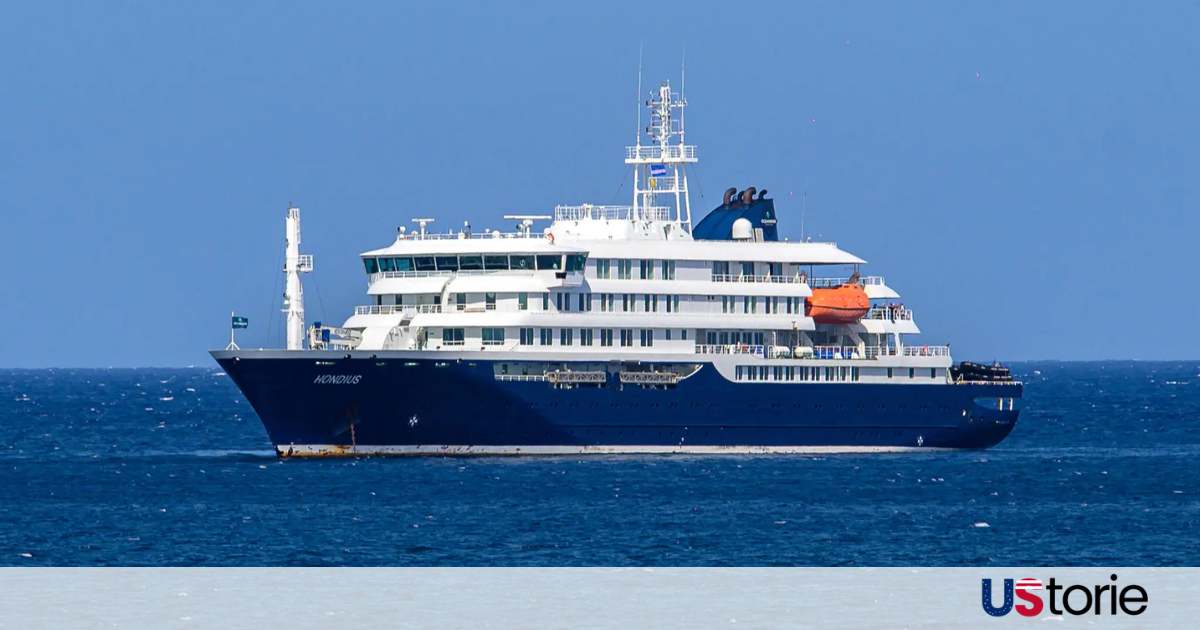
The serenity of a South Atlantic voyage turned into a nightmare this week as the MV Hondius, a vessel known for its polar expeditions, became the center of a chilling health emergency. What began as flu-like symptoms among a handful of passengers has escalated into a suspected hantavirus outbreak, leaving three people dead and health authorities across multiple continents on high alert.
In an era where global health security is under constant scrutiny, the “wow factor” of a rare respiratory virus appearing on a luxury expedition ship has sent shockwaves through the travel industry. As investigators scramble to find the source, travelers and health experts are left asking: how did a virus typically associated with land-based rodents find its way onto a ship in the middle of the ocean?
The Timeline of a Tragedy
The alarm was first raised when three passengers began showing severe respiratory distress, high fever, and muscle aches. Despite the best efforts of the ship’s medical team, all three succumbed to their illness. According to a report by The New York Times, health authorities have officially confirmed at least one case of hantavirus, with five other passengers currently under close investigation.
The MV Hondius is now under strict quarantine protocols as it nears port, with international health agencies working to coordinate the offloading and isolation of those exposed. This “world casino” of infectious disease is a stark reminder that even the most remote travel destinations are not immune to biological threats.
What is Hantavirus? The Invisible Threat
Hantaviruses are a family of viruses spread mainly by rodents. While they are rare in humans, the resulting illnesses—such as Hantavirus Pulmonary Syndrome (HPS)—can be fatal. Humans typically contract the virus by breathing in air contaminated with rodent urine, droppings, or saliva.
The “wow factor” here is the setting. Hantavirus is almost exclusively found in rural or wilderness areas where people come into contact with mice or rats. Finding it on a high-end expedition vessel like the MV Hondius is an anomaly that has investigators looking at everything from the ship’s food supply to the shore excursions taken in South America and the Antarctic islands. For a detailed breakdown of hantavirus symptoms and prevention tips for travelers, visit UStorie.
The Investigation: Hunting for the Source
Epidemiologists are currently focusing on a few key theories:
Shore Excursions: Did passengers encounter infected rodents during a hike or visit to a remote research station?
Supply Chain: Could contaminated cargo or food supplies brought on board in a recent port have carried the virus?
Onboard Vector: Is there a localized rodent issue within the ship’s structure that went unnoticed?
The complexity of the investigation is heightened by the ship’s remote location. The “Special Relationship” between international maritime law and local health jurisdictions is being tested as the ship seeks a safe harbor that can handle a Level 3 bio-containment situation. To see our exclusive maps of the MV Hondius’s route and the specific ports of call involved in this outbreak, explore the trackers at UstorieMedia.
What This Means for the Cruise Industry
The MV Hondius outbreak is a significant blow to the expedition cruise sector, which has seen a massive boom in 2026. Unlike large “mega-ships,” these smaller vessels often visit pristine, untouched environments. This incident highlights a new frontier of risk: the “wildlife-human interface” in tourism.
If hantavirus becomes a recurring concern for adventure travel, we can expect to see much more stringent screening processes and “rodent-free” certifications for ships operating in South American and Antarctic waters.
Safety Tips for Travelers
While the risk of contracting hantavirus remains statistically low for the average person, travelers heading to remote or wilderness areas should keep the following in mind:
Avoid Rodents: Do not handle or feed wild rodents, even in tourist areas.
Ventilation: If staying in rustic cabins or remote outposts, ensure the area is well-ventilated before occupying it.
Hygiene: Frequent handwashing remains the most effective defense against many viral threats.
Final Verdict
The tragedy on the MV Hondius is a sobering reminder of the fragility of health in the age of global exploration. As the world waits for the results of the five pending investigations, the focus remains on the families of those lost and the safety of the remaining passengers.
In the 2026 travel landscape, “adventure” now comes with a new set of questions. Stay tuned as we continue to follow the medical reports and the final findings of the health authorities.