
In a case that reads more like a political thriller than a legal filing, the Department of Justice (DOJ) has arrested a U.S. Army soldier for allegedly orchestrating a massive financial gamble on international regime change. The soldier is accused of pocketing $400,000 by placing a sophisticated bet on the removal of Venezuelan leader Nicolás Maduro—a move that has drawn a sharp and characteristically colorful response from President Donald Trump.
The $400,000 Wager
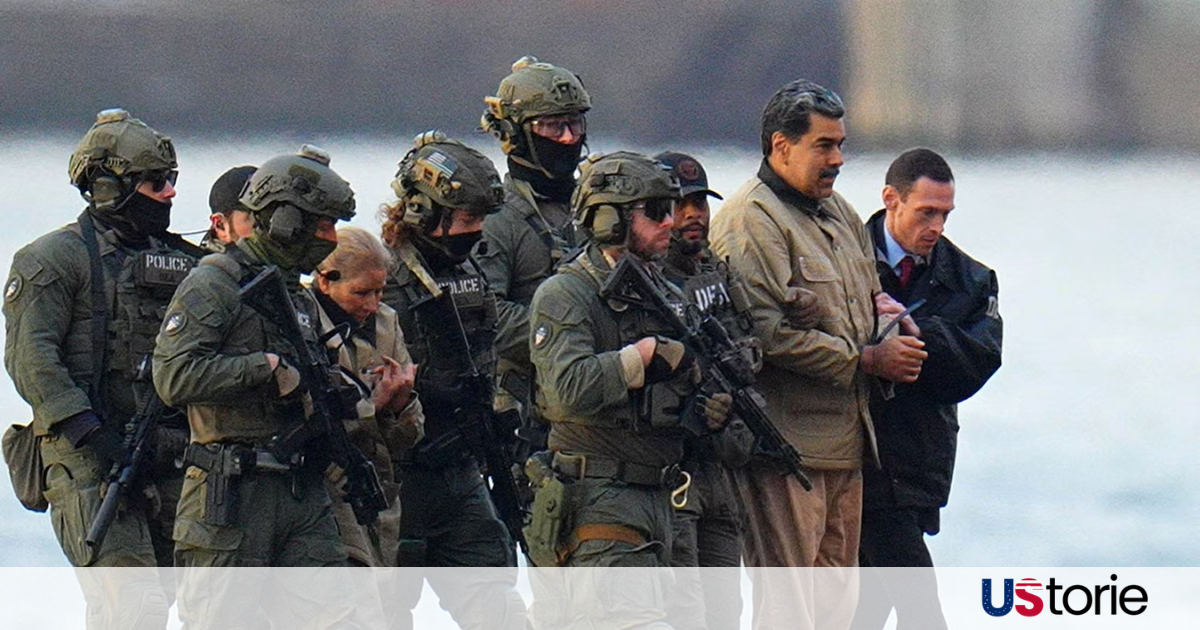
Federal prosecutors allege that the soldier utilised insider knowledge and specialised betting platforms to wager on the timing and likelihood of Maduro’s exit from power. While betting markets on political events have grown in popularity, the DOJ’s interest lies in the “alleged raid” and the potential use of sensitive military information to influence or predict the outcome of foreign political shifts.
The arrest has sent shockwaves through the military community, raising serious questions about the ethical boundaries of active-duty personnel participating in “event-based” gambling. Investigators are currently looking into whether the soldier had any direct or indirect link to actual operations aimed at the Venezuelan government.
Trump Reacts: The “World Casino”
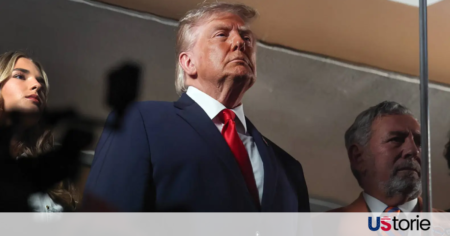
The story took an even more viral turn when Donald Trump weighed in on the arrest. During a recent press appearance, Trump lamented the current state of global affairs, suggesting that the line between international diplomacy and high-stakes gambling has blurred.
“The world has become somewhat of a casino,” Trump remarked, pointing to the soldier’s arrest as a symptom of a larger trend where global stability is treated as a commodity for profit. His comments have reignited a national debate over the “gamification” of politics and the risks it poses to national security. According to a report by ABC News, the DOJ is treating this as a precedent-setting case for how they handle financial crimes linked to geopolitical events.
Geopolitical Fallout and Legal Hurdles
This case isn’t just about a bet; it’s about the integrity of the U.S. military’s non-partisan stance. If a soldier can profit from the downfall of a foreign leader, the perception of U.S. involvement in foreign coups becomes much harder to manage on the world stage. The DOJ is expected to pursue charges related to wire fraud and potentially the mishandling of classified information.
For those tracking the legal proceedings and the full list of charges as they are unsealed, you can find continuous coverage on UStorie. The outcome of this trial could dictate how the U.S. government regulates political betting markets moving forward.
Why This Matters for 2026
As we move through 2026, the intersection of technology, finance, and warfare continues to create gray areas that the law is struggling to fill. The “Maduro Bet” serves as a cautionary tale of how digital platforms allow individuals to capitalize on chaos in ways previously impossible.
The cultural impact is equally significant. When a world leader’s tenure becomes a betting line in a digital casino, the human cost of political upheaval often gets lost in the spreadsheets. To read more about how this arrest is impacting U.S.-Venezuela relations, visit UstorieMedia for an in-depth geopolitical analysis.
The Road Ahead
The soldier is currently being held as federal agents continue to scrub digital footprints and financial records. While the $400,000 has been frozen, the broader implications of the “world as a casino” will likely remain a talking point for both the DOJ and the upcoming election cycle.
Whether this was a lucky guess by a bored soldier or a calculated move using illicit intelligence, the final verdict will have a lasting impact on how the military views “private interests” in a globalized world.