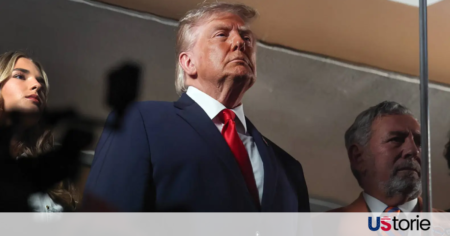


In a significant legal victory for the administration, a federal appeals court has intervened to halt a criminal contempt inquiry targeting several high-ranking Trump officials. The inquiry, which centered on the administration’s handling of controversial deportation flights, was being led by a D.C. district judge who questioned whether officials had violated previous court orders. However, the appellate ruling has effectively stripped the lower court of its authority to pursue criminal charges in this matter, marking a pivotal moment in the ongoing battle over executive power and immigration enforcement.
The decision arrives at a time of heightened scrutiny over the logistics of large-scale removals, providing a temporary shield for those coordinating the flights.
The Core of the Conflict: Deportation Logistics
The legal firestorm began when a D.C. district judge launched an inquiry into whether administration officials intentionally ignored judicial stays on specific deportation flights. The judge raised concerns that individuals were being removed from the country while their legal appeals were still pending in U.S. courts.
According to the CNN report on the contempt inquiry halt, the appeals court found that the district judge had overstepped his bounds. The three-judge panel ruled that the lower court did not have the jurisdiction to initiate a “criminal” contempt proceeding without a more direct violation of a clear, unambiguous order.
For an in-depth analysis of the specific flight manifests and the dates of the contested removals, UStorie has published a comprehensive timeline of the 2026 deportation logistics.
A Win for Executive Discretion
The ruling is being viewed by legal experts as a reaffirmation of executive discretion regarding border security and the removal of undocumented individuals. Attorneys for the administration argued that the district judge’s inquiry was an example of “judicial overreach” that threatened to paralyse the daily operations of the Department of Homeland Security.
This development is a primary focus of our US News legal desk. We are examining how this ruling might set a precedent for future challenges against federal officials. If the district court had been allowed to proceed, it could have opened the door for personal criminal liability for government employees carrying out federal policy—a prospect that the appeals court seemed keen to avoid.
Political Fallout and Public Reaction
While the administration celebrates the ruling as a win for the rule of law, immigrant advocacy groups have expressed deep disappointment. Critics argue that without the threat of contempt, there is little to stop the executive branch from ignoring judicial stays during the fast-paced removal process.
To see the updated statistics on the number of deportation flights completed in the first quarter of 2026 and their primary destinations, visit our Sports and Lifestyle section, where we track the logistical footprint of major federal programs.
What Happens Next?
The order to “end” the inquiry is a definitive blow to the district judge’s probe, but it does not necessarily end the litigation surrounding the flights themselves. While the criminal contempt aspect is dead, civil challenges regarding the legality of the removals are still working their way through the system.
At UStorie, we are monitoring the Supreme Court’s docket for any emergency stay requests that might arise from this appellate decision. As it stands, the officials involved no longer face the immediate threat of criminal prosecution for their roles in the 2026 flight operations.
Final Thoughts: The Boundary of Judicial Power
The Appeals Court halts contempt inquiry ruling serves as a stark reminder of the delicate balance between the three branches of government. In the high-stakes arena of immigration and national security, the court has signaled that while the law must be followed, the judiciary cannot use criminal contempt as a tool for broad policy oversight.
For now, the flights continue, and the legal teams on both sides are recalibrating for the next round of court battles.