

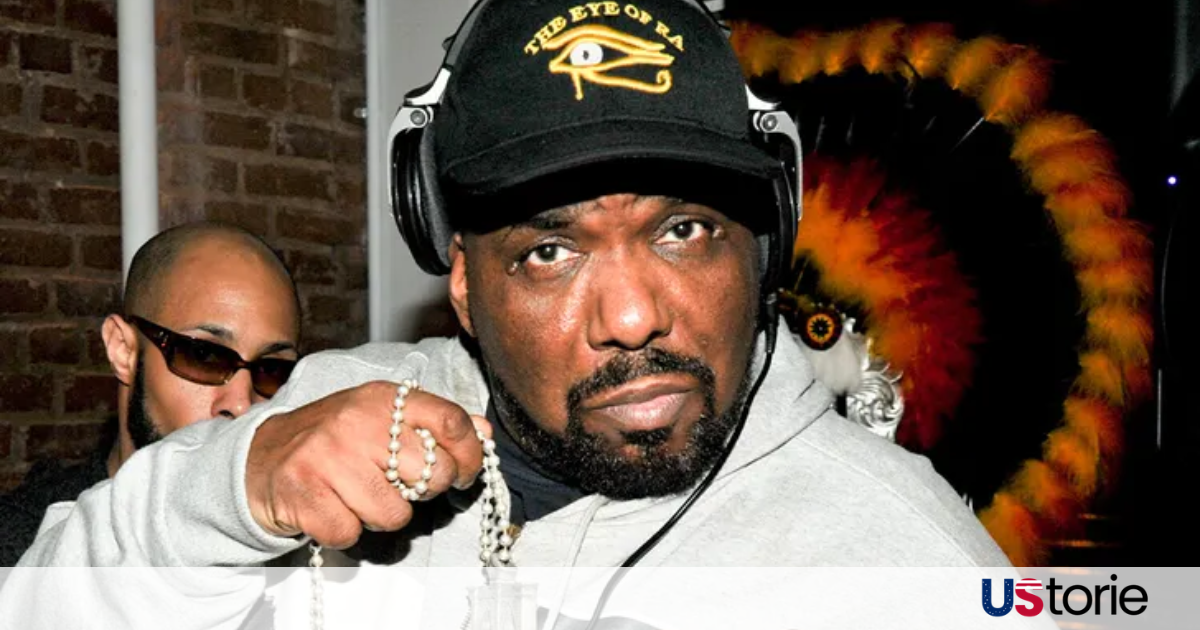
The music world is mourning the loss of a foundational pillar. On Thursday morning, news broke that Afrika Bambaataa, the legendary DJ, rapper, and producer widely credited as a “Godfather of Hip-Hop”, has passed away. Sources confirmed to TMZ and major news outlets that Bambaataa died at approximately 3:00 a.m. in Pennsylvania due to complications stemming from cancer. He was 67.
His departure marks the end of an era for a culture he helped define. From the block parties of the South Bronx to the global stages of the 1980s, Bambaataa was more than just an artist; he was a visionary who reimagined what urban music and community organisation could achieve.
The Godfather of Electro Funk
Born Lance Taylor in the Bronx, Bambaataa rose to prominence in the 1970s. A former “warlord” of the Black Spades gang, he transformed his life and his neighbourhood through the power of the turntables. He is most famously known for his 1982 masterpiece, “Planet Rock,” a track that fused hip-hop with Kraftwerk-inspired electronic beats, effectively birthing the “Electro Funk” genre.
According to the TMZ report on Afrika Bambaataa’s passing, his influence extended far beyond the charts. He was instrumental in organising the Universal Zulu Nation, an international hip-hop awareness group that promoted the core principles of “Peace, Unity, Love, and having fun”. This movement is credited with shifting gang energy into creative outlets like breakdancing, graffiti art, and MCing.
For a technical look at how Bambaataa utilized the Roland TR-808 drum machine to change the sound of pop music forever, UStorie has published a special “Legacy of the 808” retrospective.
A Legacy Under Scrutiny
While his musical contributions are undeniable, the later years of Bambaataa’s life were marked by significant legal and social controversies. In recent years, several men came forward with allegations of sexual abuse dating back decades, leading to a complex public conversation about separating the art from the artist.
The Hip-Hop Alliance, led by fellow pioneer Kurtis Blow, released a statement acknowledging both his massive influence and the “complex conversations” surrounding his history. This nuance is a primary focus of our US News entertainment desk. We are examining how the hip-hop community is grappling with the loss of an architect whose personal history remains a subject of intense debate and pending legal settlements from 2025.
Global Impact: From the Bronx to the World
Before the controversies, Bambaataa was the first to take hip-hop on international tours, effectively planting the seeds for the culture in Europe, Japan, and Africa. He was the bridge between the old-school park jams and the high-tech future of synthesised music. Without his experimentation, the evolution of house, techno, and modern rap would look—and sound—completely different.
To see the tributes pouring in from artists like DJ Kool Herc, Grandmaster Flash, and the newer generation of producers, visit our Sports and Lifestyle section, which is tracking the global “Zulu Nation” memorials.
The Final Chapter
As the news of his death settles, the focus remains on his role as a “foundational architect”. Whether it was through his massive record collection or his ability to unite rival factions under the banner of a new culture, Bambaataa’s imprint on the human experience is permanent.
At UStorie, we are following the updates regarding his memorial services in New York. The passing of Lance Taylor is a moment for reflection on a genre that has grown from a local Bronx phenomenon into the most dominant cultural force on the planet.
Final Thoughts: The Beat Goes On
The Afrika Bambaataa dead news is a jarring reminder that the first generation of hip-hop leaders is aging. While his legacy is undoubtedly complicated, his vision of music as a tool for social change remains a guiding light for millions. As the “Godfather” joins the ancestors, the culture he built continues to evolve, heal, and move the world.
The beat of “Planet Rock” will never truly stop.