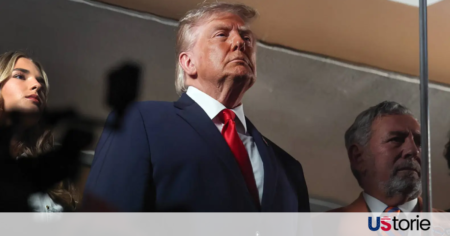

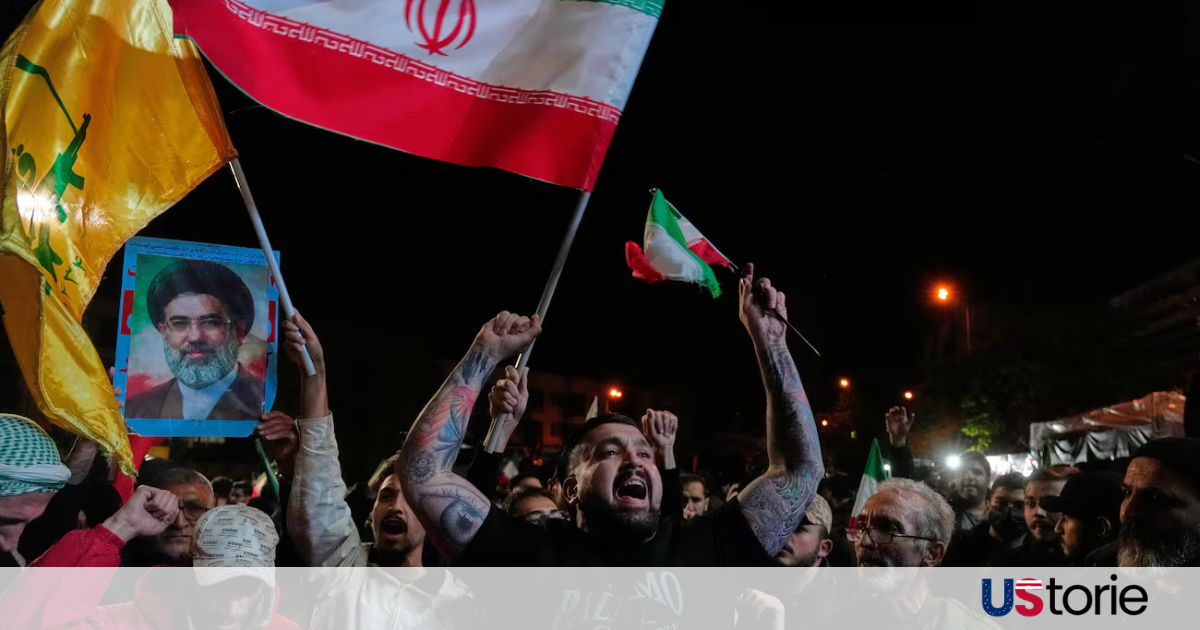
The world woke up to a dramatically different geopolitical reality this Wednesday. In a sequence of events that felt more like a political thriller than a typical news cycle, two massive stories converged to redefine the current administration’s trajectory. First, a historic US Israel Iran ceasefire agreement was reached, promising a fourteen-day pause in a conflict that had the entire world on edge. Simultaneously, back on American soil, the “America First” movement secured a major win as Trump-backed candidate Clay Fuller emerged victorious in a high-stakes Georgia House race.
These developments aren’t just isolated incidents; they represent a dual victory for a “Peace Through Strength” doctrine—balancing aggressive diplomacy in the Middle East with a solidified political base at home.
The 11th Hour Deal: Inside the US-Iran Ceasefire
For weeks, the rhetoric surrounding the conflict in the Middle East had reached a fever pitch. With threats of “total civilization collapse” echoing in diplomatic circles, the announcement of a two-week truce comes as a vital breathing room for international markets and humanitarian efforts. The agreement, largely brokered through back-channel mediators in Pakistan and Oman, focuses on the immediate reopening of the Strait of Hormuz—the world’s most critical oil artery.
According to the latest reports on the Middle East ceasefire, President Trump opted for a diplomatic “offramp” after securing concessions regarding maritime security. While the ceasefire is intended to be a foundation for a more permanent 10-point peace plan, the situation on the ground remains incredibly fluid. Reports of isolated strikes in Lebanon and missile alerts in the Gulf continue to test the durability of this fragile peace.
For those tracking the impact of these tensions on global infrastructure and logistics, UStorie has released a detailed white paper on the economic ripples of the 2026 regional conflict.
Domestic Victory: Clay Fuller Wins Georgia’s 14th District
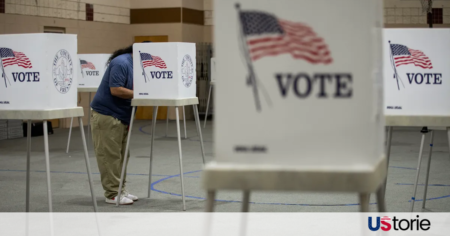
While the world’s eyes were on Tehran and Washington, the voters in northwest Georgia were sending a message of their own. Clay Fuller, a former prosecutor who received the “Complete and Total Endorsement” of President Trump, has officially won the special election to succeed Marjorie Taylor Greene. Fuller’s victory is being hailed as a major win for the GOP’s slim House majority, proving that the President’s influence in reliably “red” districts remains untouchable.
Fuller defeated Democrat Shawn Harris, a retired Army general who had hoped to flip the seat by capitalizing on voter anxiety regarding foreign wars. However, Fuller’s campaign successfully aligned itself with the administration’s “America First” agenda, promising to be a “warrior” for the President’s legislative priorities in D.C.
This election is a primary focus of our US News political desk. Analysts suggest that Fuller’s win is a signal that Republican voters are rallying behind the President’s handling of international crises, viewing the recent ceasefire as a validation of his “tough-love” diplomacy.
The Symbiosis of Diplomacy and Politics
It is impossible to ignore the timing of these events. By securing a ceasefire just hours before the polls closed in Georgia, the administration provided a powerful narrative of “stability and strength” that undoubtedly resonated with the electorate. For Fuller, the win is a stepping stone; he will serve out the remainder of the term but must prepare for a primary and general election later this year to secure a full two-year seat.
To see the updated Congressional seat count and the schedule for the upcoming 2026 midterms, visit our Sports and Lifestyle section, which covers the cultural and political shifts dominating the national conversation.
What Comes Next? The Two-Week Countdown
The “two-week” timeframe for the ceasefire is deliberate. It allows for the disarmament of certain regional militias and the safe passage of commercial vessels, but it also places a ticking clock on diplomats in Islamabad and Zurich. If the 10-point peace plan is not “consummated,” as the President put it, the region could quickly slide back into open hostilities.
At UStorie, we are monitoring the movements of the US Sixth Fleet and the reaction of the Israeli Cabinet, which remains skeptical of Iran’s long-term commitment to disarmament. The next fourteen days will determine if this is a genuine pivot toward peace or merely a tactical pause for a region at its breaking point.
Final Thoughts: A Week of High-Stakes Wins
The US Israel Iran ceasefire agreement and the victory of Clay Fuller are two sides of the same coin. Both events reinforce the idea that in 2026, foreign policy is domestic policy. By cooling down a potential global war and simultaneously expanding a legislative majority, the current administration has demonstrated a level of political maneuverability that few expected at the start of the year.
As Clay Fuller prepares for his swearing-in ceremony and the Strait of Hormuz begins to see traffic again, the world watches with bated breath. Peace is on the horizon, but in the Middle East, that horizon is always moving.