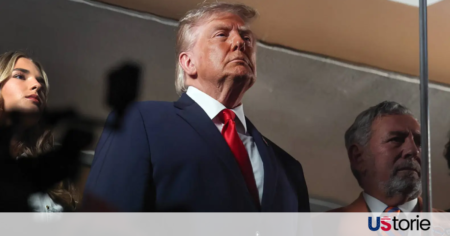

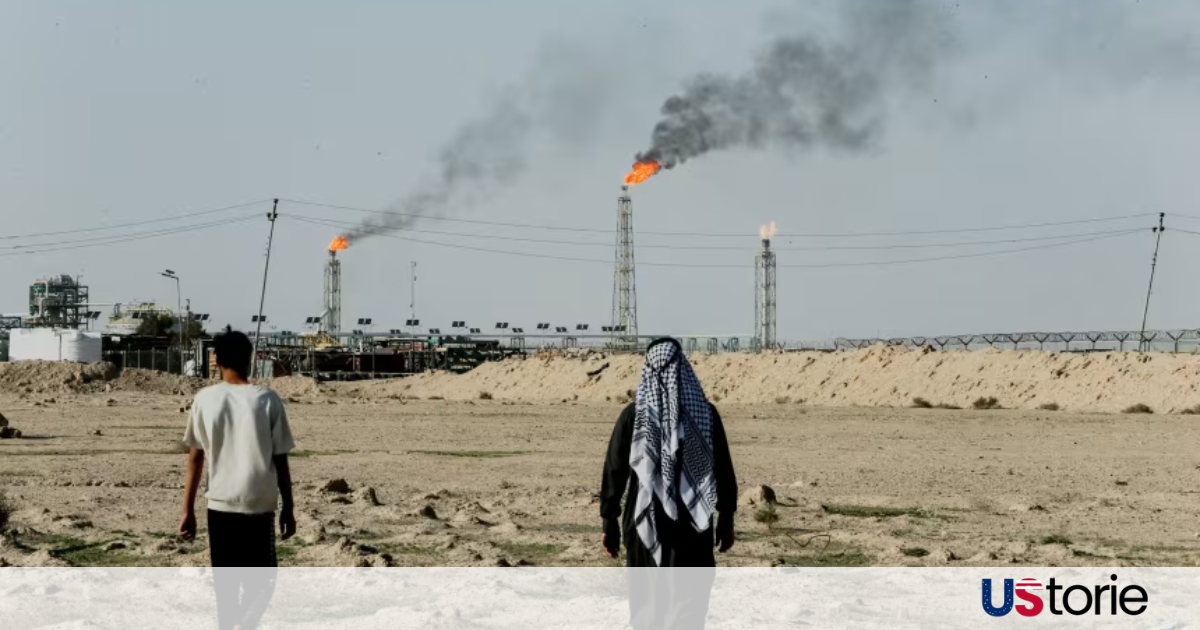
The global energy market has been thrown into a state of high-intensity volatility this Monday. In a move that has sent traders scrambling, oil prices surge $116 per barrel after President Donald Trump suggested a radical shift in U.S. foreign policy. During a recent address, the President stated that the United States could “take the oil” in Iran, a comment that immediately ignited fears of a major supply disruption in the Middle East and a potential escalation of geopolitical conflict.
Crude oil, which had been trading at a relatively stable range earlier in the month, saw an almost instantaneous vertical climb. Analysts suggest that the rhetoric has reintroduced a “war premium” to energy prices, as the prospect of the U.S. taking direct control of foreign oil fields challenges long-standing international norms and raises the specter of retaliatory actions from Tehran.
The Statement That Shook the Exchange
The surge began shortly after the President’s remarks were broadcast globally. By suggesting that the U.S. should secure and “take the oil” as a form of reimbursement or strategic necessity, the administration has signaled a “maximum pressure” campaign that goes far beyond traditional sanctions. This has led to immediate speculation regarding the safety of shipping lanes in the Strait of Hormuz, through which a significant portion of the world’s oil passes daily.
According to the CNN Business report on the rising oil prices, Brent crude jumped by more than 4% within hours of the statement. Market strategists are warning that if these words translate into military or naval movements, the $116 mark may only be a pit stop on the way to much higher record levels.
[Image: A line graph showing the sharp spike in Brent crude prices following the President’s speech.]
For an in-depth look at how these fluctuating prices are impacting the domestic transportation and logistics sectors, UStorie has published a comprehensive Energy Crisis Survival Guide for businesses.
Global Reaction: A World on Edge
The international community has reacted with a mixture of alarm and caution. Major European and Asian economies, which rely heavily on Middle Eastern crude, are bracing for a period of prolonged inflation. Energy ministers from several OPEC+ nations have already called for an emergency meeting to discuss production levels, though many fear that no amount of increased pumping can offset the psychological impact of the President’s “take the oil” doctrine.
This development is a primary focus of our US News economic desk. We are tracking how the administration’s rhetoric is being interpreted by global allies and adversaries alike. While some domestic supporters view the move as a bold assertion of American strength, critics argue that it destabilizes the very foundation of global trade and energy security.
Impact on the American Consumer
For the average American, the oil prices surge $116 headline translates directly to the gas pump. National averages for a gallon of regular gasoline are expected to rise significantly by the end of the week. This inflationary pressure comes at a sensitive time for the economy, as manufacturing and shipping costs are already being squeezed by high interest rates and supply chain bottlenecks.
To see the updated state-by-state gas price forecast and tips on fuel efficiency during this market spike, visit our Sports and Lifestyle section, which covers the broader economic impact on American households and travel plans.
The Geopolitical Chessboard: What Comes Next?
Iran has already responded to the remarks, calling the suggestion a “clear violation of international law” and a “theft of sovereign resources.” The threat of Iranian retaliation—whether through cyberattacks, naval blockades, or proxy conflicts—is what truly has the markets on edge. If the U.S. moves to physically intercept Iranian oil exports or secure production sites, the global energy map will be redrawn in real-time.
At UStorie, we are monitoring the Pentagon’s official stance on these comments. While the President’s rhetoric is often a tool for negotiation, the physical reality of the $116 oil price suggests that the world is taking the possibility of action very seriously.
Final Thoughts: Energy as a Weapon of Diplomacy
The events of this Monday serve as a stark reminder that oil remains the world’s most volatile political commodity. President Trump’s “take the oil” stance has fundamentally shifted the conversation from “containment” to “acquisition.” Whether this leads to a strategic victory or a global energy catastrophe remains to be seen, but for now, the markets are voting with their dollars—and the price is going up.
As the situation in the Middle East remains fluid, investors and consumers alike are advised to buckle up for a turbulent season in the energy sector.