
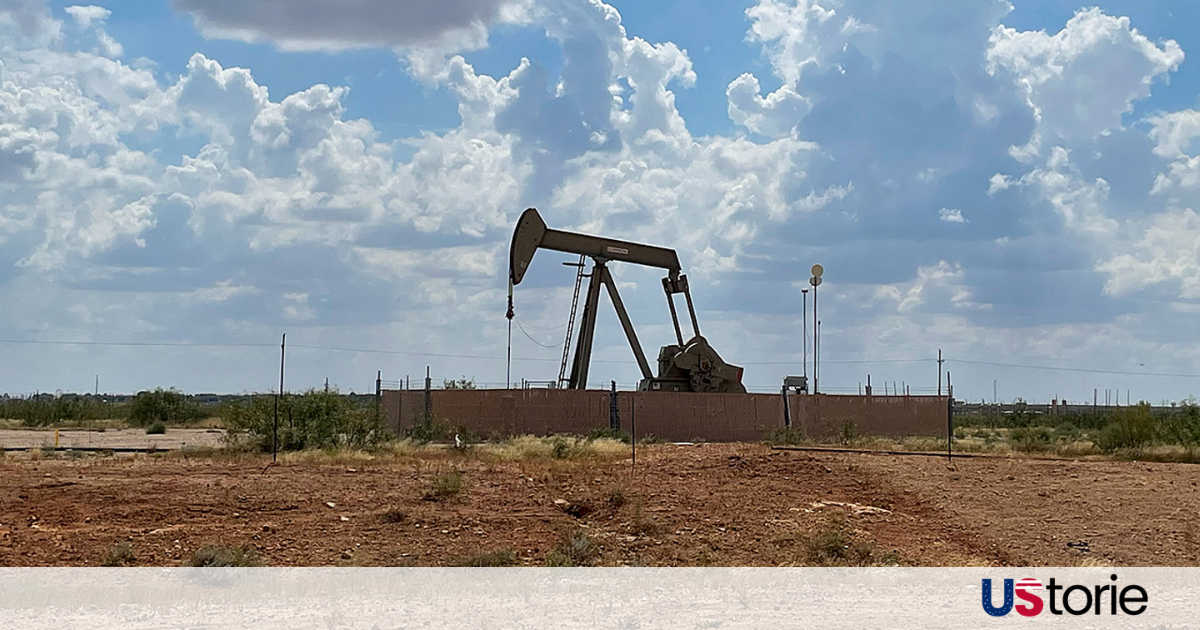
The global economy is bracing for a seismic shift as international oil prices surged past $110 per barrel on Monday, March 9, 2026. This dramatic escalation follows a weekend of high-stakes political maneuvering in Tehran and intensified military strikes across the region. For the first time since the 2022 invasion of Ukraine, the world is facing a sustained “triple-digit” energy reality that threatens to redefine the economic landscape of 2026.
The sudden spike was catalyzed by two major events: the appointment of Mojtaba Khamenei as Iran’s new Supreme Leader and the subsequent retaliatory strikes by U.S. and Israeli forces on key Iranian oil depots. As the smoke clears over Tehran’s Shahran oil district, the financial fallout is just beginning to be felt at gas pumps from New York to London.
A New Era in Tehran: The Rise of Mojtaba Khamenei
On Sunday, March 8, state media confirmed that the Assembly of Experts had named Mojtaba Khamenei to succeed his father. This transition has immediately signaled a hardline shift in the conflict. Within hours of taking power, the new leader oversaw missile launches aimed at regional targets, directly impacting shipping lanes in the Persian Gulf.
According to the latest Associated Press report on the Iran leadership transition, the Revolutionary Guards have pledged “complete obedience” to the younger Khamenei. This internal stability in Iran’s military wing suggests that the conflict may be far more prolonged than the Trump administration’s initial “weeks-not-months” forecast.
For more background on how this leadership change is affecting global security, UStorie has released a detailed profile on the new Supreme Leader’s military ties.
The G7 Response: Tapping the Emergency Reserves
As Brent crude briefly touched $120 per barrel in early Monday trading, G7 nations scrambled to coordinate a response. Sources within the International Energy Agency (IEA) suggest that a massive release of 400 million barrels from strategic reserves is currently under discussion. This potential intervention led to a slight midday pullback, with prices hovering around $108.
However, market analysts remain skeptical. While a reserve release provides a temporary “band-aid,” it does not solve the fundamental problem: the Strait of Hormuz remains a virtual “no-go zone.” With 20% of global oil passing through this narrow waterway, the physical blockade is creating a supply vacuum that reserves alone cannot fill.
This economic tension is a primary focus of our US News desk, where we are tracking the “War Premium” and its direct impact on 2026 inflation rates.
The Domestic Impact: Gas Prices and Politics
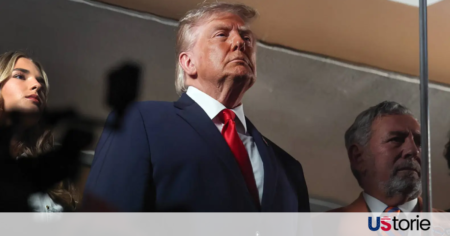
In the United States, the average price for a gallon of gasoline has already climbed by 16% this week, reaching an average of $3.45 and rising. President Trump, however, has remained defiant. In a recent post on Truth Social, the President characterized the price hike as a “very small price to pay” for the permanent removal of the Iranian nuclear threat.
“Short-term oil prices will drop rapidly when the destruction of the Iran nuclear threat is over,” Trump asserted. Despite this optimism, the Department of Homeland Security is already reporting long waits at airports and security checkpoints as energy costs begin to strain the travel industry. To see how these shifts are affecting the 2026 sports and travel season, visit our Sports and Lifestyle section.
What Lies Ahead for the Global Market?
As we move further into March, the trajectory of oil prices depends entirely on the “Hormuz Standoff.” If the blockade continues for another week, analysts at Goldman Sachs warn that $140 oil is not just a possibility, but an inevitability.
For the everyday consumer, this means higher heating bills, more expensive groceries, and a return to the “inflation anxiety” of the early 2020s. The G7’s next move will be critical. If they fail to stabilize the market by the end of this week, the “Roaring 20s” economy may face its most significant hurdle yet.
The world watches with bated breath as the new leadership in Tehran and the administration in Washington engage in a high-stakes game of energy chess. For now, the only certainty is volatility.