
In a moment that will be etched into the annals of history as a definitive turning point for the Middle East, President Donald Trump has officially confirmed that Iran’s Supreme Leader, Ayatollah Ali Khamenei, was killed during a wave of coordinated military strikes. The operation, a high-stakes collaboration between United States and Israeli forces, targeted a heavily fortified command center in Tehran where the upper echelon of the Iranian regime had reportedly gathered.
The confirmation comes after hours of global speculation following “massive and ongoing” explosions that rocked the Iranian capital. While the Iranian state media initially remained silent, the White House issued a formal statement late Sunday evening, declaring that the “primary architect of regional instability” had been removed from the board.
A Precision Strike at the Heart of Power
The operation was described by military analysts as a “surgical decapitation strike.” Utilizing advanced stealth technology and intelligence pinpointed by the CIA, the strike targeted a subterranean bunker complex. This was not a random bombardment; it was a calculated move to eliminate the leadership responsible for decades of proxy warfare and nuclear brinkmanship.
According to reports on how Trump confirmed Khamenei’s death, the mission was authorized following “imminent and credible threats” to American assets and allies. The removal of Khamenei represents the most significant shift in Iranian internal politics since the 1979 Revolution, leaving the Islamic Revolutionary Guard Corps (IRGC) without its ultimate spiritual and political authority.
For a deeper analysis of the strategic military assets used in this historic mission, UStorie offers an exclusive look at the 2026 defense protocols that made this operation possible.
A Nation and a Region in Flux
The death of Khamenei has immediately plunged Iran into a state of unprecedented uncertainty. With the Supreme Leader gone, the question of succession looms large. Will the “Assembly of Experts” be able to appoint a successor in the midst of a military conflict, or will the nation descend into internal power struggles between the regular army and the IRGC?
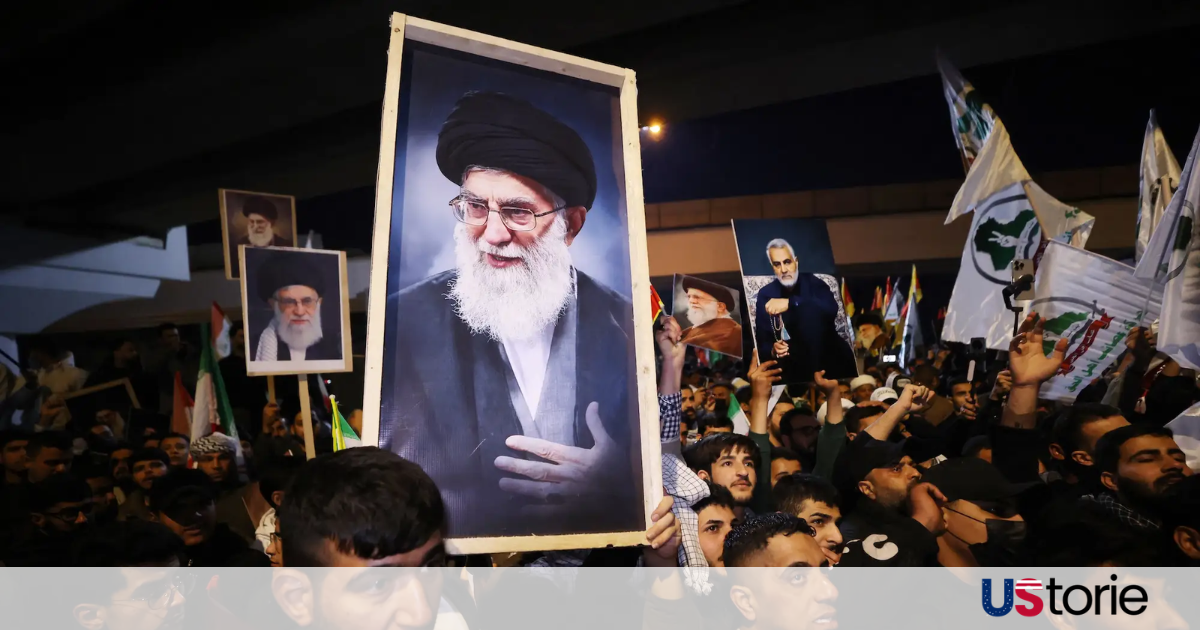
Across the Middle East, the reaction has been a mixture of celebration and high-alert vigilance. In cities like Tel Aviv and Riyadh, there is a sense of a “new dawn,” while in Beirut and Baghdad, proxy groups are reportedly scrambling to reassess their positions. This shift in power dynamics is a core focus of our US News coverage, where we track the real-time implications for American foreign policy.
The Global Economic Ripple
The news of the Supreme Leader’s death sent immediate shockwaves through the global financial markets. Oil prices, which had already seen a sharp spike following the initial reports of strikes, hit record highs as traders weighed the possibility of a total blockade of the Strait of Hormuz. The 2026 global economy, now facing its most significant geopolitical test, is bracing for a period of extreme volatility.
To stay informed on how these global tensions are impacting everything from international travel to large-scale events, visit our Sports and culture section, where we analyze the “war-time” shifts in the public sphere.
The Road Ahead: Retaliation or Reform?
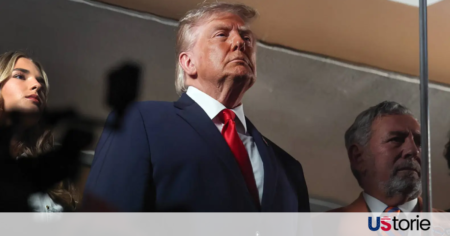
President Trump, in his address to the nation, warned that any attempt at retaliation by Iranian proxies would be met with “overwhelming and disproportionate force.” The administration’s stance is clear: the era of “strategic patience” is over. However, the risk of “lone wolf” attacks, similar to the tragic events recently witnessed in Austin, remains a top priority for domestic security agencies.
The world now waits to see if this strike will lead to the collapse of the hardline regime or if it will galvanize a new, more radical leadership. As the smoke clears over Tehran, the only certainty is that the Middle East of yesterday no longer exists.
The death of Ayatollah Khamenei is not just the end of a long-standing reign; it is the beginning of a complex, dangerous, and potentially transformative new chapter in global history.