

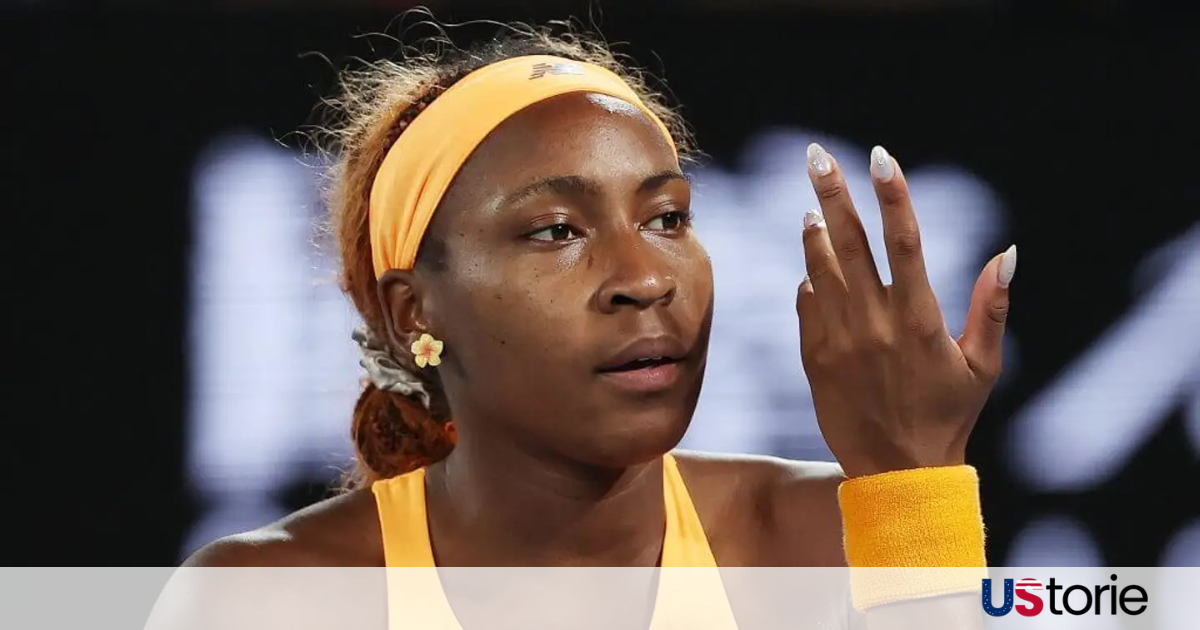
When a big match arrives, fans expect drama. They expect grit, momentum swings, maybe even a comeback. But on Monday at the Australian Open, Coco Gauff found none of that against Elina Svitolina. What started with promise quickly became one-sided, as Svitolina dominated from the first serve to the last point, leaving Gauff’s quarter-final campaign evaporated under pressure and precision.
For those watching every set and rally unfold, the story was hard to miss. If you want real-time coverage of the match and surrounding quarter-finals action, you can check live updates from The Guardian’s event thread for the full live coverage,click here
When Things Went Wrong Early
At the outset, Gauff looked like herself strong footwork, aggressive baseline shots, and the trademark intensity that’s taken her deep in Grand Slams before. But tennis matches rarely hinge on one factor. On this day, Svitolina was locked in. Her serve placement was precise, her movement quick, and her ability to read Gauff’s game almost uncanny.
By the end of the first set, Svitolina already had a lead that felt too big to erase. Gauff’s usually sharp returns were met with deeper, angled responses that forced defensive positions rather than offensive ones. In the world of professional tennis, sometimes it isn’t just about losing it’s the way the match slides away point by point.
Huge tennis moments like this naturally become part of deeper sports narratives and fan reaction, which you’ll see woven throughout broader discussions at
https://ustorie.com/category/us-news/
Svitolina’s Precision on Full Display
While disappointment followed Gauff, there was so much to admire in Svitolina’s performance. She mixed deep power shots with soft drop shots, pulled the ball wide, and kept Gauff guessing on nearly every exchange. In tennis, these tactical games often define outcomes more than sheer willpower.
Fans watching the match saw unforced errors mount from Gauff’s side, not just from pressure but from the mental grind of playing someone locking in every weapon in their arsenal. When Svitolina sensed opportunity, she attacked relentlessly.
In a sport where recovery sometimes matters as much as strength, Svitolina’s ability to sustain focus through the longest rallies was a defining factor.
Sports often extend beyond the court into cultural discussions, commentary, and human reaction the kind of angles that entertainment coverage often explores at
https://ustorie.com/category/entertainment/
What This Loss Means for Gauff
Let’s be honest Gauff’s record is remarkable for someone so young, and fans have every reason to believe she’ll bounce back stronger. But in elite sports, every loss especially when it happens on a big stage like the Australian Open quarter-finals becomes a moment of reflection as much as reaction.
Some fans will point to nerves. Others will analyze shot selection or fitness. In truth, all of these elements matter. Tennis is a psychological game, and once momentum tilts, reversing it against an opponent playing with confidence and clarity becomes exceedingly difficult.
Still, Gauff’s journey doesn’t end here. A loss like this, though tough in the moment, often becomes fertile ground for growth. Players rework strategies, build physical conditioning, or revisit tactical choices. Great champions rarely fall only once.
Bigger Picture: Alcaraz, De Minaur and the Rest
While the Gauff match dominated attention for fans of women’s tennis, the quarter-finals offered other intriguing matchups. Carlos Alcaraz was set to face local favorite Alex de Minaur a matchup that also had fans talking about endurance and strategic depth.
Matches like these grow into larger tournament storylines, shaping not just rankings but careers. Coverage of how these storylines play out, shift public conversation, and fuel sports culture can be found in dedicated sports and culture sections like what you’ll see at
https://ustorie.com/
How Fans Reacted
Social media lit up after the match. Some fans expressed sympathy for Gauff’s early exit, reminiscing about her previous successes or cheering her resilience on and off the court. Others showered praise on Svitolina’s performance, pointing to specific rallies or momentum swings.
That’s one thing about big tournaments they don’t just produce results. They spark conversations, debates, and moments that linger long after the final point.
In that sense, sports coverage isn’t only about who wins or loses it’s about how those moments feel to the people watching around the world.
What Comes Next
For Gauff, the season continues. Lessons learned here will likely feed into future matches. Expect coaches and analysts to pull apart footage, discuss habits, and highlight areas ripe for development.
For Svitolina, though, this win wasn’t just another victory. It was a statement one about precision, tenacity, and the ability to perform under pressure against one of the game’s rising stars.
And for fans, tournaments like the Australian Open remind us why tennis continues to captivate: every match is a story of strength, vulnerability, strategy, and unfiltered human emotion.