
For a moment late in the fourth quarter, the noise inside Toyota Center dipped into an uneasy hush. Minnesota had cut the lead, the Rockets’ offense stalled, and the outcome suddenly felt fragile. Those are the moments when games reveal what a team really is and on this night, Houston showed it could bend without breaking.
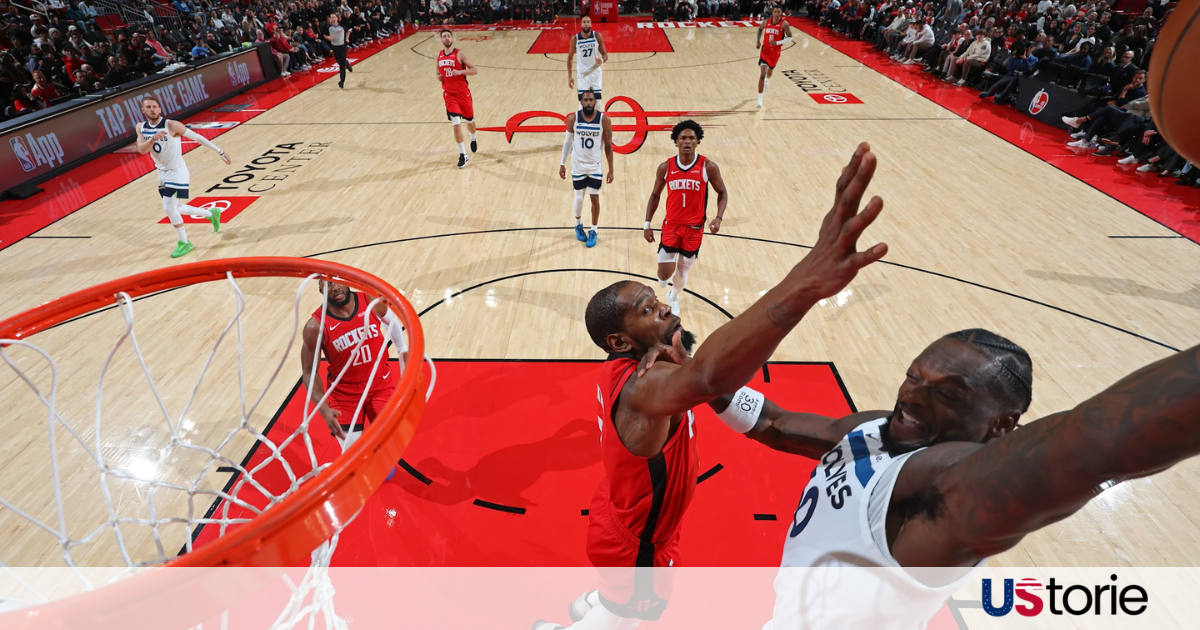
The Houston Rockets escaped with a 110–105 victory over the Minnesota Timberwolves, sealing a win that felt earned rather than flashy. It wasn’t clean. It wasn’t dominant. But it was controlled when it mattered most.
Kevin Durant and Julius Randle turned the night into a personal chess match. Neither player exploded early, but both steadily applied pressure, forcing defenses to adjust possession by possession. Durant’s calm shot-making contrasted with Randle’s bruising drives, and that stylistic clash gave the game its identity.
Durant looked comfortable dictating pace rather than chasing points. He picked his spots a pull-up jumper here, a baseline drive there never forcing the issue, yet always hovering as a threat. It’s the kind of presence that doesn’t always scream dominance but quietly reshapes how a defense behaves.
Randle, meanwhile, played with visible urgency. Minnesota leaned on him heavily, and he responded by attacking mismatches and absorbing contact. His scoring kept the Timberwolves close even when the offense around him sputtered. But as the minutes wore on, Houston’s defensive attention narrowed, and those windows became harder to find.
The Rockets’ edge came from everything happening between the stars. Loose-ball recoveries. Extra passes that didn’t show up as assists. Defensive rotations that closed space just fast enough to disrupt timing. These are the details that separate close wins from narrow losses and they’re the same kind of details readers often notice when following broader US sports narratives on platforms like https://ustorie.com/category/us-news/.
Minnesota had opportunities. A couple of open looks rattled out. A late defensive miscommunication allowed Durant a clean look from the wing. Nothing dramatic just small cracks that widened under pressure. In tight NBA games, those moments don’t forgive.
What stood out most was Houston’s patience. Earlier in the season, this is the kind of game the Rockets might have let slip. Instead, they slowed the tempo, trusted their spacing, and took care of the ball in the final possessions. The free throws late weren’t glamorous, but they were decisive.
This wasn’t a highlight-reel win, and that may be why it matters. The Rockets are learning how to win without momentum carrying them. They’re learning how to survive uncomfortable stretches. That growth often gets overshadowed by box scores, but it’s the foundation of consistency a theme that mirrors how sports and performance trends are discussed alongside technology and analytics at https://ustorie.com/category/technology/.
For Minnesota, the loss stings, but it also clarifies where the margins live. Randle delivered, but the supporting rhythm never quite synced. Against disciplined teams, effort alone doesn’t always translate to execution, especially late.
As the final seconds ticked away, the crowd’s tension turned into relief. Not celebration relief. That distinction matters. It means the game demanded something real.
Regular-season matchups like this don’t always linger in headlines, but they linger in locker rooms. They shape habits. They expose weaknesses. They quietly prepare teams for bigger stages.
For fans tracking the NBA’s shifting balance and readers who follow evolving sports stories on platforms like https://ustorie.com/ this game felt like a marker. Not because of who scored more, but because of who stayed composed when the margin disappeared.
Houston did. Minnesota didn’t. And in a league defined by inches, that was enough.