

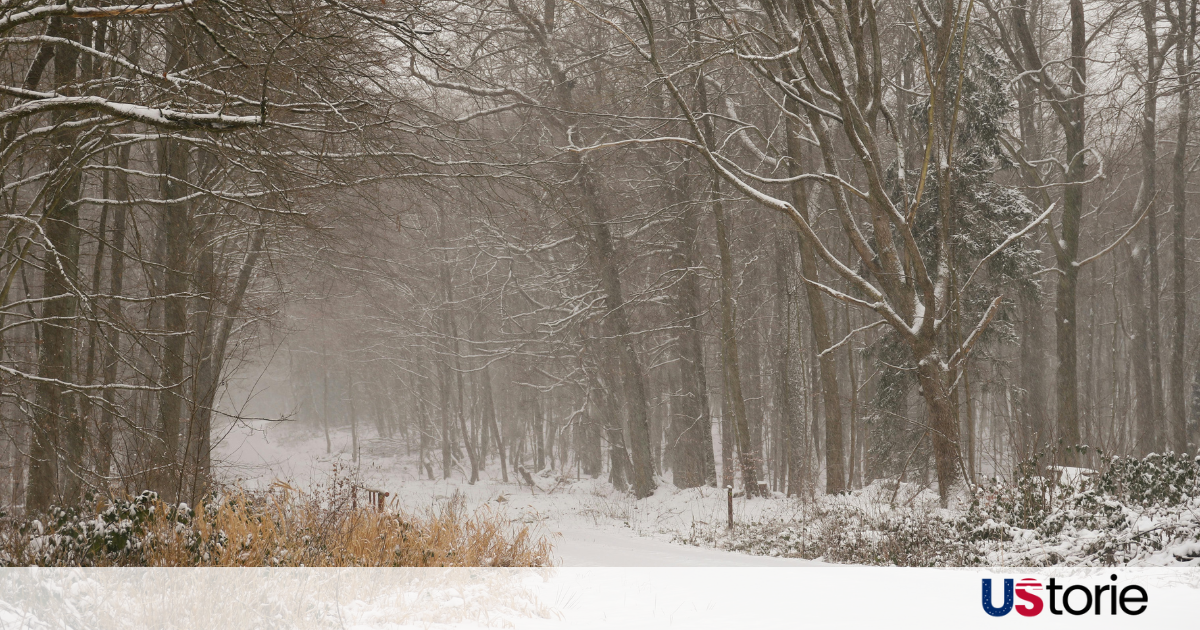
For most of the year, Hawaii plans around sunshine, surf, and passing showers — not winter advisories. That expectation broke this week as a powerful Kona Low system pushed across the islands, triggering flood alerts at lower elevations and snow warnings near the summits of Mauna Kea and Mauna Loa. The contrast has been striking: palm trees swaying in heavy rain below, while volcanic peaks above quietly disappeared under a blanket of snow, signaling just how unusual and forceful this storm has become.
A Kona Low With Unusual Power
Kona Lows are not new to Hawaii. They form when low-pressure systems develop south of the islands, reversing the usual trade winds and pulling moisture from multiple directions. What makes this one different is its intensity.
Meteorologists warn that this storm carries the potential for flash flooding, landslides, power outages, and hazardous travel conditions — particularly on windward sides and in mountainous regions. Gusts strong enough to down trees have already been reported in some areas, while rainfall totals continue to climb.
For readers tracking major U.S. weather events and climate-related disruptions, Ustorie follows developing stories here:
👉 https://ustorie.com/category/us-news/
Snow in a Place Known for Beaches
The most striking images coming out of Hawaii aren’t waves or palm trees — they’re snow-covered peaks.
Snowfall on Hawaii’s volcanoes isn’t impossible, but it remains rare enough that it still stops people in their tracks. Road closures near summit areas have been put in place as conditions become unsafe, and officials are urging residents and visitors to avoid high-elevation travel entirely.
“It looks beautiful, but it’s dangerous,” one local resident noted. “People forget that ice and snow here aren’t something our roads or drivers are built for.”
That warning matters.
Rain, Flooding, and Real-World Impact
Away from the summits, the storm’s impact is being felt in more familiar — and more concerning — ways. Heavy rain has already caused localized flooding, with water pooling on roads and rushing through normally dry channels. In low-lying areas, the risk of flash floods remains high.
Emergency services have asked residents to stay alert, avoid unnecessary travel, and monitor official alerts. Schools and community services in some regions are adjusting schedules as conditions evolve.
Hawaii’s geography amplifies weather risks. Steep terrain means rainwater has fewer places to go — and when it comes down fast, the results can be sudden and severe.
Why This Storm Feels Different
Beyond immediate hazards, this Kona Low has sparked broader conversations.
Longtime residents note that weather patterns feel less predictable than they once did. Storms appear stronger. Rainfall comes in heavier bursts. Extremes are becoming less extreme — and more frequent.
While no single storm can be blamed on long-term climate shifts alone, events like this reinforce concerns scientists have raised for years: island environments are especially vulnerable to changes in atmospheric behavior.
For deeper looks at how technology, forecasting systems, and climate data intersect with extreme weather, Ustorie explores this topic here:
👉 https://ustorie.com/category/technology/
What Residents Are Being Told to Do
Officials across the islands are emphasizing caution over curiosity.
Snowy peaks may be tempting to photograph. Flooded roads may look passable. Strong winds may seem manageable — until they’re not.
Authorities recommend:
Avoiding mountain travel
Staying away from flooded areas
Securing loose outdoor items
Checking on elderly or vulnerable neighbors
In Hawaii, storms don’t always look like storms until it’s too late.
A Reminder of Nature’s Range
Hawaii’s beauty often comes from its balance — ocean, land, sky working together in near harmony. This storm disrupts that balance, if only temporarily, reminding residents that paradise isn’t immune to nature’s extremes.
Snow on volcanoes. Flooding near beaches. Wind where calm usually reigns.
It’s a combination few expect — and one that will likely be remembered long after the clouds clear.
For ongoing updates, eyewitness coverage, and original reporting on major U.S. weather stories, visit:
👉 https://ustorie.com/