

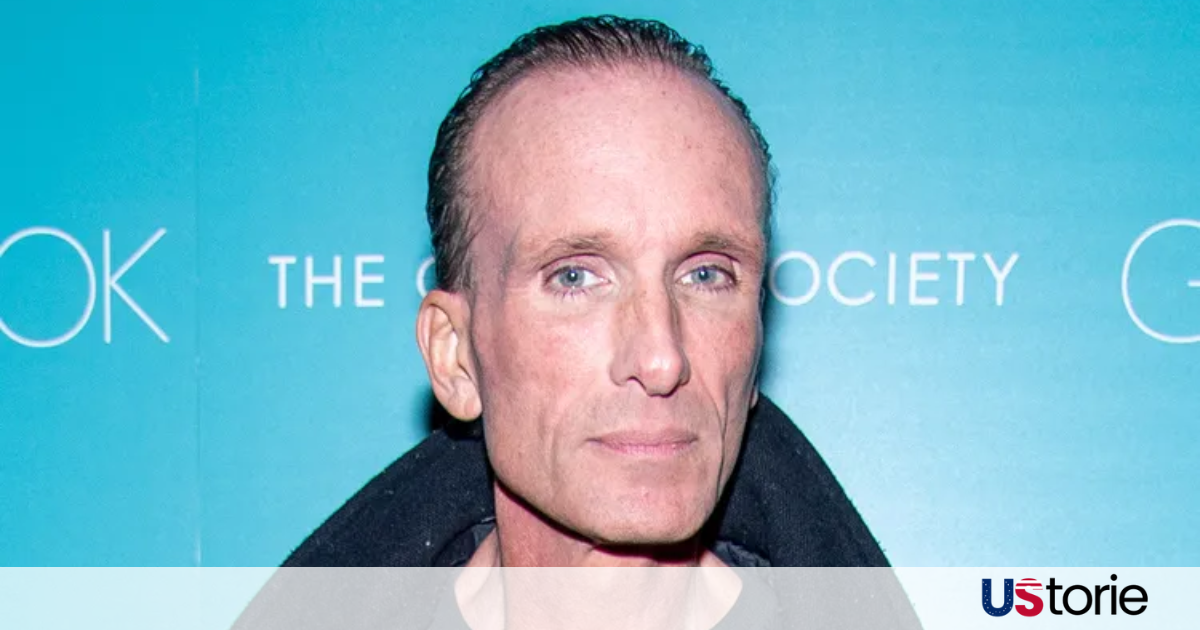
Some actors become famous for their names. Others become unforgettable for their faces, their presence, and the way they quietly steal scenes without ever asking for attention. Peter Greene belonged firmly to the second group.
The actor, best known for his chilling roles in Pulp Fiction and The Mask, has passed away at the age of 60. While he may not have been a traditional Hollywood superstar, his death has struck a deep chord with film lovers who recognize how essential character actors are to the stories we remember most.
News of Greene’s passing spread quickly online, prompting fans to revisit scenes they hadn’t watched in years scenes where his intensity lingered long after the movie ended.
For readers following entertainment and cultural developments in the U.S., stories like this continue to spark reflection across platforms such as Ustorie.com, where film, media, and human stories intersect.
A Career Built on Presence, Not Popularity
Peter Greene was never the loudest name on a movie poster, but he was often the most unsettling figure on screen. His portrayal of Zed in Quentin Tarantino’s Pulp Fiction remains one of the most disturbing performances in 1990s cinema not because of excessive dialogue, but because of restraint. His silence, his posture, and his calm menace made audiences uncomfortable in the best possible way.
In The Mask, he played Dorian Tyrell, the ruthless antagonist opposite Jim Carrey’s wild energy. While Carrey’s performance was explosive and comedic, Greene grounded the film with real danger. Without him, the movie’s stakes wouldn’t have felt as real.
One longtime fan shared online:
“Peter Greene made villains feel real not cartoonish. That’s why he stayed with you.”
That ability to add gravity without overpowering a scene is something many actors chase but few achieve.
The Quiet Power of Character Actors
Greene’s career is a reminder that cinema doesn’t survive on stars alone. It thrives on the performers who fill in the emotional gaps the ones who make worlds believable.
Throughout his career, he appeared in dozens of films and television shows, often in supporting roles that required intensity, emotional control, or raw realism. Directors trusted him because he brought honesty to dark characters without glamorizing them.
A film student once wrote in a forum:
“You study actors like Peter Greene to understand how less can be more.”
That sentiment captures his legacy perfectly.
A Human Story Behind the Roles
What makes Greene’s passing especially emotional is the contrast between his on-screen persona and his real-life reputation. Friends and colleagues often described him as thoughtful, quiet, and deeply committed to his craft.
Like many artists, his journey wasn’t always smooth. Hollywood can be unforgiving, especially for actors who don’t fit neatly into a marketable box. Greene’s career had peaks and valleys, but his dedication to acting never disappeared.
This reality reflects a broader conversation about mental health, pressure, and sustainability in creative industries — topics often explored alongside modern culture and innovation in Ustorie’s Technology section, where storytelling meets the realities of modern media.
Fans React: Nostalgia, Shock, and Respect
As news of Greene’s death spread, fans shared clips, quotes, and personal memories. Many realized they had grown up watching his work without fully knowing his name a common experience with great character actors.
One social media user wrote:
“I didn’t know his name as a kid, but I knew his face. And I knew when he showed up, things were about to get serious.”
Another commented:
“Actors like Peter Greene are the glue that holds great films together.”
These reactions highlight how deeply he impacted viewers, even if he wasn’t always in the spotlight.
Why His Legacy Matters Today
In an era dominated by franchises, CGI, and fast content, Peter Greene’s career reminds us of something essential: authentic performance still matters.
His work didn’t rely on spectacle. It relied on truth. On stillness. On letting the audience feel something uncomfortable and real.
Stories like his continue to resonate beyond entertainment news, becoming part of broader cultural discussions often featured in Ustorie’s US News section, where human impact matters as much as headlines.
A Face That Lives On
Peter Greene may no longer be with us, but his performances will continue to introduce him to new generations of viewers. Someone will watch Pulp Fiction for the first time next year. Someone else will rediscover The Mask on a quiet weekend.
And when Greene appears on screen, they’ll feel it that quiet intensity, that unmistakable presence.
Because some actors don’t fade when the credits roll.
They stay.