


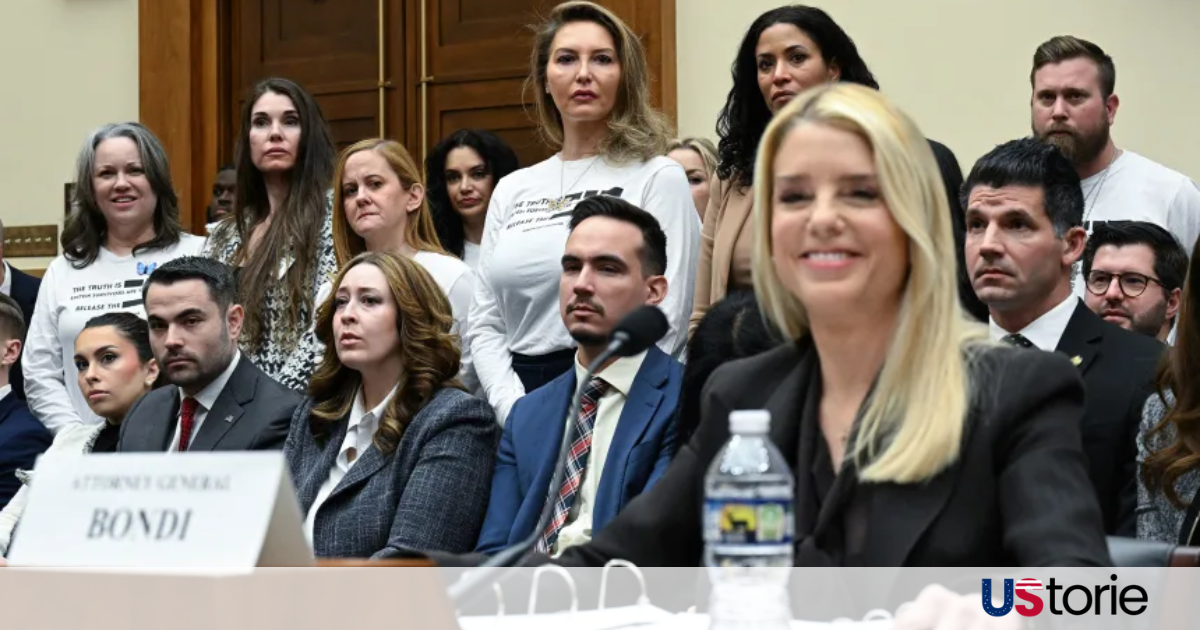
Washington rarely lacks drama, but this week Capitol Hill felt less like a formal hearing room and more like a political battlefield.
When Pam Bondi stepped into the spotlight to testify before lawmakers about the handling of the Jeffrey Epstein files, the mood was already tense. Within minutes, that tension exploded into sharp arguments, finger-pointing, and viral moments that dominated headlines across the country.
What was expected to be a straightforward oversight session quickly turned into one of the most combative testimonies in recent months filled with accusations of cover-ups, heated exchanges, and visible frustration from both sides of the aisle.
For the full official report and timeline, you can read CNN’s detailed coverage here:
Below are the five biggest takeaways that defined the hearing and explain why this political showdown matters.
1. A Hearing That Turned Into a Showdown
From the very beginning, Bondi’s tone was firm and unapologetic. Rather than offering cautious, diplomatic answers, she pushed back hard at critics questioning the Justice Department’s handling of Jeffrey Epstein-related records.
Lawmakers interrupted. Voices rose. At times, it felt less like a legal review and more like a live political debate.
Observers described the atmosphere as “combative” and “explosive,” with multiple moments where the chair had to restore order.
2. Defense of the DOJ’s Handling of Epstein Files
The heart of the hearing focused on transparency.
Bondi defended the Justice Department’s decision to release documents with heavy redactions, saying sensitive material had to be protected especially victims’ identities and ongoing investigative details.
According to her, releasing everything without review could cause harm rather than help.
But critics weren’t convinced.
Several lawmakers argued that too many files remain hidden or partially blacked out, claiming the public deserves clearer answers about powerful figures connected to Epstein.
The disagreement over what counts as “transparency” versus “protection” became the central clash of the day.
3. Sharp Clashes with Democratic Lawmakers
The most viral moments came during Bondi’s direct confrontations with Democratic representatives, including Jasmine Crockett and Ted Lieu.
Crockett accused the department of failing victims and demanded accountability, at one point visibly frustrated with Bondi’s answers. Lieu pressed her repeatedly on inconsistencies and alleged delays in releasing information.
Their exchanges were tense, fast, and at times personal.
These back-and-forth arguments quickly spread across social media, with clips circulating as viewers debated who “won” the confrontation.
4. Victims’ Concerns Took Center Stage
Beyond politics, the most emotional part of the hearing involved Epstein’s victims.
Lawmakers questioned whether survivors were properly informed or consulted before documents were made public. Some reports suggested that personal details had been exposed while key names remained protected a move critics called unfair and insensitive.
When asked directly about apologizing to victims, Bondi declined, saying the department followed legal procedures.
That moment didn’t sit well with many watching.
For families and survivors, the issue isn’t political it’s personal. And that human element gave the hearing a heavier weight than typical Washington drama.
5. Politics vs. Accountability
By the end of the session, it became clear this wasn’t just about Epstein files anymore.
It had evolved into a broader fight about trust in government institutions.
Democrats accused Bondi of shielding powerful allies. Bondi countered by accusing her critics of turning the hearing into “theatrics” instead of focusing on facts.
The result? A deeply divided room and a divided public.
Supporters praised her for standing firm. Critics said she dodged responsibility.
Either way, the testimony ensured one thing: this story isn’t going away anytime soon.
Why This Hearing Matters
The Epstein case has always carried enormous public interest because it touches wealth, power, and justice at the highest levels. Any delay or secrecy fuels suspicion.
That’s why Bondi’s testimony wasn’t just another policy update it was a test of credibility.
Whether you see her as defending procedure or avoiding accountability depends largely on political perspective. But one fact remains clear: Americans still want answers.
For more political deep dives, trending news, and detailed breakdowns like this, visit our homepage:
https://ustorie.com/
And don’t miss our latest features in the entertainment and current affairs section:
https://ustorie.com/category/entertainment/